



As India approaches the 100th year of its independence in 2047, the country is orchestrating one of the most ambitious socioeconomic transformations in modern history. Guided internally by the Viksit Bharat 2047 roadmap and globally aligned with the United Nations Sustainable Development Goals (UN-SDGs) for 2030, India’s development philosophy has shifted from basic resource distribution […]
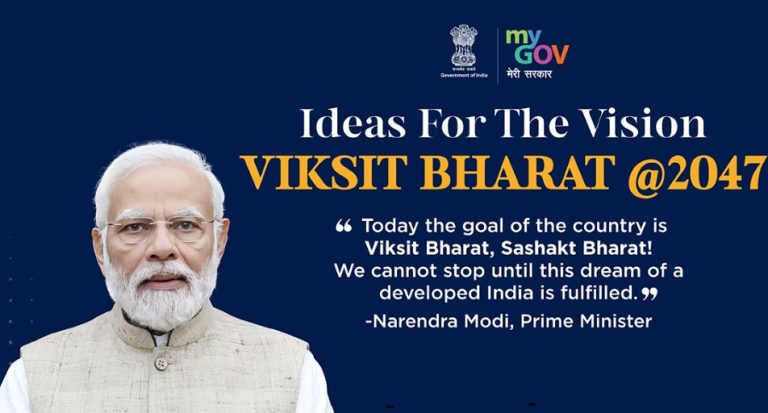
As India approaches the 100th year of its independence in 2047, the country is orchestrating one of the most ambitious socioeconomic transformations in modern history. Guided internally by the Viksit Bharat 2047 roadmap and globally aligned with the United Nations Sustainable Development Goals (UN-SDGs) for 2030, India’s development philosophy has shifted from basic resource distribution to comprehensive, futuristic, and sustainable human empowerment.
These twin frameworks are not abstract policy goals confined to government secretariats; they directly reshape the daily lives, economic opportunities, health standards, and living environments of 1.4 billion citizens.
1. Redefining Livelihoods: From Job Seekers to Economic Creators
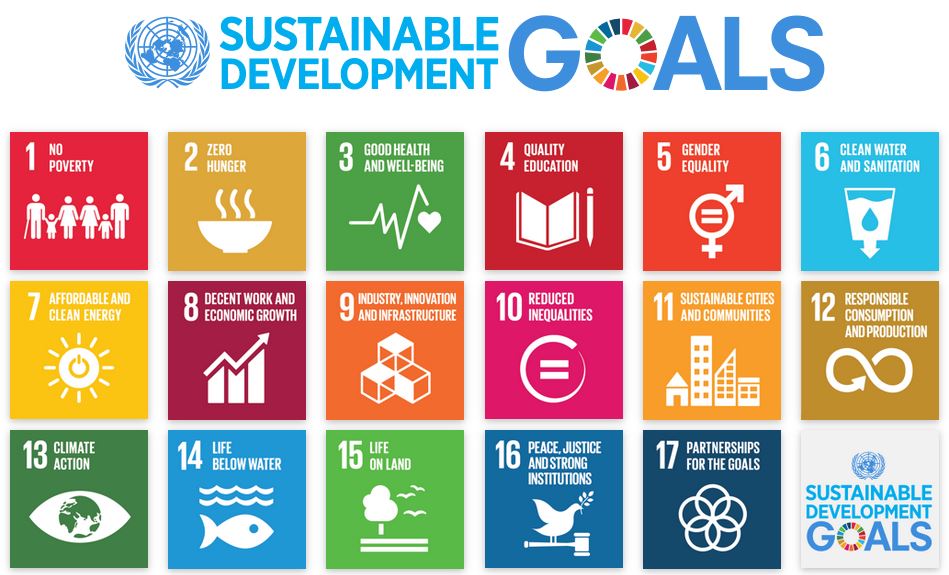
The convergence of UNSDG 8 (Decent Work and Economic Growth) and Viksit Bharat’s economic vision has fundamentally altered the Indian employment landscape.
- Formalization and Social Security: Millions of workers previously trapped in informal sectors are gaining access to organized social security networks, digital banking, and formal credit lines through platforms like PMJDY and organized welfare registers.
- The Entrepreneurial Boom: Moving beyond traditional salaried roles, initiatives like Startup India and targeted vocational programs have decentralized wealth creation. Citizens across Tier-2 and Tier-3 cities are leveraging digital public infrastructure (DPI) to launch localized enterprises.
- Future-Ready Skilling: With a massive demographic dividend, national programs are heavily investing in emerging technologies—such as Artificial Intelligence (AI), quantum computing, and green manufacturing—ensuring the youth transition from local job seekers into globally competitive innovators.
2. Elevating Living Standards: Health, Education, and Social Inclusion
Aligning with UNSDG 3 (Good Health and Well-being) and UNSDG 4 (Quality Education), the roadmap actively addresses historical inequities in human capital development.
- Universal Healthcare Accessibility: Programs scaling digital health records, affordable generic medicine outlets (Jan Aushadhi), and expanded rural infrastructure have drastically reduced out-of-pocket health expenditures for low-income households.
- Educational Overhauls: The National Education Policy (NEP) combined with massive digital schooling initiatives are closing the urban-rural education divide. Emphasizing foundational literacy, critical thinking, and mother-tongue instruction ensures children are better prepared for modern knowledge economies.
- Empowering Women at the Grassroots: Rural women’s collectives and targeted economic initiatives (such as expanding the Lakhpati Didi framework) are turning women into primary drivers of household income and rural economic leadership.
3. Environmental Sustainability and Quality of Life
UN-SDG 13 (Climate Action) and SDG 7 (Affordable and Clean Energy) intersect cleanly with India’s domestic push toward green and blue economies under Viksit Bharat.
- Transition to Clean Energy: The aggressive rollout of solar power, green hydrogen missions, and electric mobility is drastically cutting down urban air pollution, directly improving public health outcomes and respiratory safety for everyday citizens.
- Resource Security: Universal access to piped drinking water (Jal Jeevan Mission), clean cooking fuel (Ujjwala), and modern sanitation infrastructure have eliminated severe daily hardships for millions of rural and semi-urban families, dramatically raising the baseline quality of life.
4. Governance and Citizen Empowerment
A cornerstone of both the SDG framework (SDG 16: Peace, Justice, and Strong Institutions) and Viksit Bharat is transparent, friction-free governance.
- Digital Governance: The elimination of bureaucratic red tape through unified digital portals, direct benefit transfers (DBT), and paperless grievance redressal has empowered citizens with seamless, corruption-free access to public entitlements.
- Decentralized Participation: Citizens are no longer passive recipients of state policy; through active community programs and digital feedback loops, they participate directly in local planning, resource management, and social auditing.
The synchronized execution of the UN-SDG 2030 agenda and the long-term vision of Viksit Bharat 2047 serves as a powerful catalyst for change.
For the average Indian citizen, this translates into a tangible journey from basic survival to high-quality living, robust financial security, and a cleaner, greener habitat. By marrying economic scale with ecological sustainability and social inclusivity, India is building a resilient society where every citizen is both a beneficiary and a builder of a developed nation.