



In an interconnected era defined by technological acceleration, economic shifts, and complex geopolitical dynamics, the pursuit of sustainable peace and shared prosperity has transitioned from an idealistic hope to an urgent operational necessity. Global leadership initiatives—spanning international coalitions, multilateral institutions, civil society organizations, and cross-continental policy frameworks—have increasingly redefined peace not merely as the absence […]
In an interconnected era defined by technological acceleration, economic shifts, and complex geopolitical dynamics, the pursuit of sustainable peace and shared prosperity has transitioned from an idealistic hope to an urgent operational necessity.
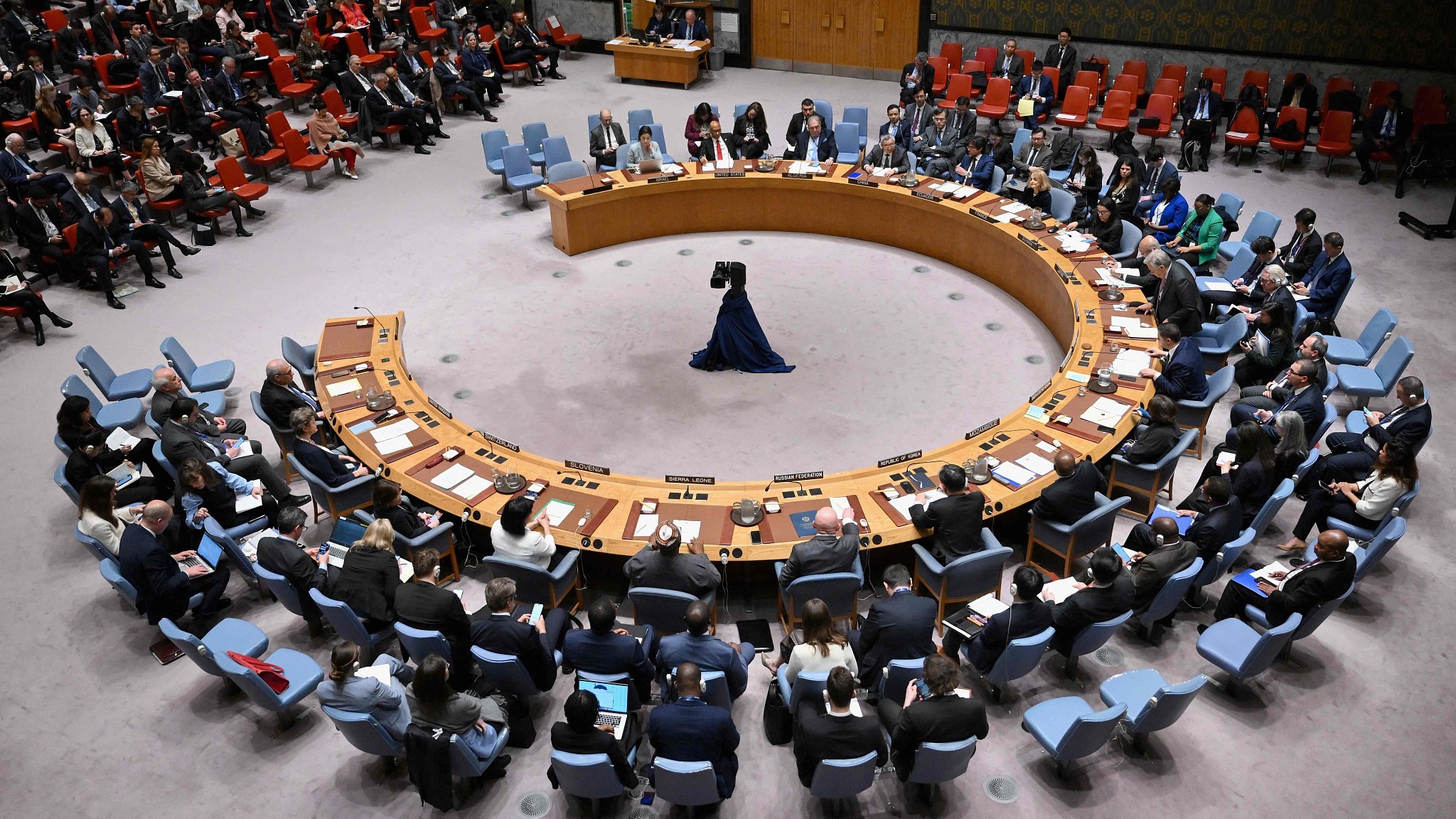
Global leadership initiatives—spanning international coalitions, multilateral institutions, civil society organizations, and cross-continental policy frameworks—have increasingly redefined peace not merely as the absence of conflict, but as the active presence of human security, economic equity, and environmental resilience.
At the core of modern peace and prosperity initiatives is the foundational vision that humanity constitutes a unified global community.
Moving away from isolated geopolitical strategies, contemporary frameworks are built upon principles of interdependence, mutual prosperity, and universal values.
Key conceptual pillars shaping this vision include:
- Comprehensive Human Security: Recognizing that true stability cannot exist alongside systemic poverty, structural inequality, rampant unemployment, and environmental degradation.
- Multilateral Cooperation: Bridging divides across sovereign nations, private enterprise, and civil society to establish collaborative social compacts.
- Intercultural and Interfaith Synergy: Fostering mutual trust and respect among diverse global populations as a primary preventive measure against identity-based conflicts.
To convert high-level ideals into actionable reality, global leaders and international networks have deployed multifaceted institutional strategies:
- Policy Alignment with Global Goals:Organizations and global summits systematically align regional development targets with the United Nations Sustainable Development Goals (UN SDGs), emphasizing areas like poverty alleviation, quality education, clean energy, and gender equality.
- Value-Based Leadership and Youth Empowerment:Recognizing that the future of global stability relies on upcoming generations, initiatives worldwide prioritize youth leadership training, character education, and global citizenship programs. Platforms that engage young innovators, diplomats, and entrepreneurs act as incubators for grassroots conflict resolution.
- Socio-Economic Development and Innovation Hubs:Bridging the digital and economic divides between developed and developing regions is central to modern missions. Initiatives focus heavily on technology transfer, sustainable agriculture, robust infrastructure, and digital literacy to ensure that economic growth is inclusive.
The cumulative impact of structured peace and prosperity campaigns manifests across multiple dimensions of international society:
- Institutional Resilience and Conflict Mitigation:Through mediation frameworks, regional dialogues, and early-warning networks, multilateral bodies and civil society institutions have successfully defused flashpoints, guided post-conflict transitions, and fortified democratic governance structures in fragile regions.
- Strengthened Cross-Continental Partnerships:Sustained diplomatic and economic outreach—notably across Asia, Africa, and the Americas—has fostered robust bilateral trade agreements, educational exchange networks, and shared technological frameworks, proving that collaborative growth outpaces isolationism.
- Mobilizing Global Volunteerism and Grassroots Action:Global initiatives have increasingly empowered millions of local volunteers and community changemakers. By converting macro-level policies into localized environmental stewardship, humanitarian relief, and educational outreach, these programs ensure that peace is cultivated daily at the community level.
The architecture of modern peace and prosperity initiatives demonstrates that global stability is a shared, continuous responsibility.
By fusing visionary multilateral diplomacy with inclusive economic development, grassroots youth engagement, and a steadfast commitment to universal human dignity, global leaders continue to lay the groundwork for a more resilient, equitable, and harmonious world order.